





In recent years, the restaurant industry has undergone a significant transformation, expanding its offerings through new formats such as street food, aperitif dining, ethnic cuisine, and organic food.
This diversification has helped meet the needs of an increasingly demanding and informed clientele that attributes value to the gastronomic experience beyond the dish itself, embracing the overall atmosphere and personal interaction.
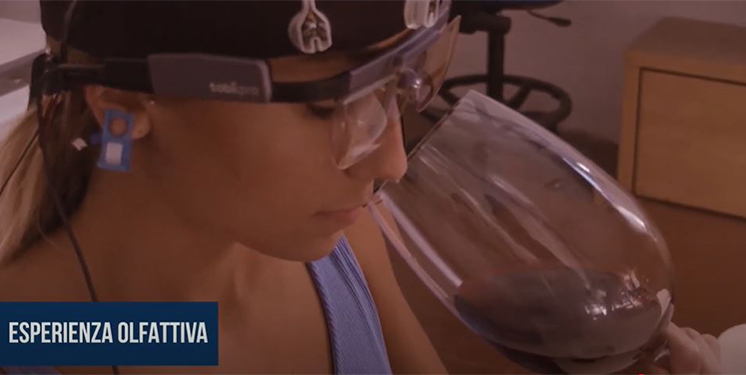
Neurogastronomy, a discipline that integrates neuroscience, psychology, and gastronomy, investigates how the brain perceives and evaluates the culinary experience. Indeed, flavor is not only in the food but is a complex cerebral construct influenced by all the senses (sight, smell, hearing, touch) and by the context (lighting, sounds, emotions, memories).
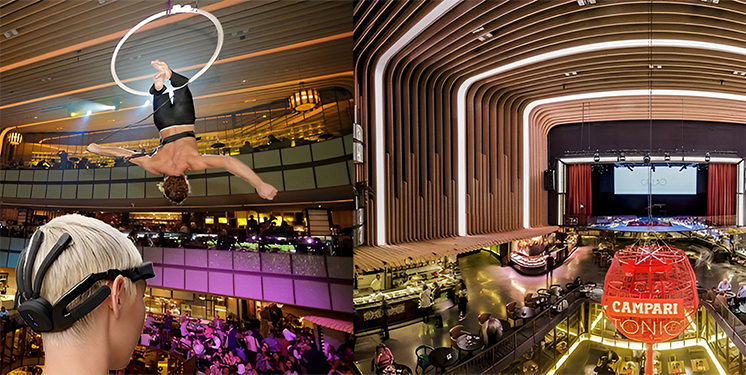
Within this framework lies the study conducted by BrainSigns for Platea de Madrid, a former theater later converted into a cinema and ultimately transformed into a gourmet space of nearly 6,000 square meters in the heart of Madrid. Platea combines culinary excellence with entertainment, offering a wide range of gastronomic and leisure experiences.
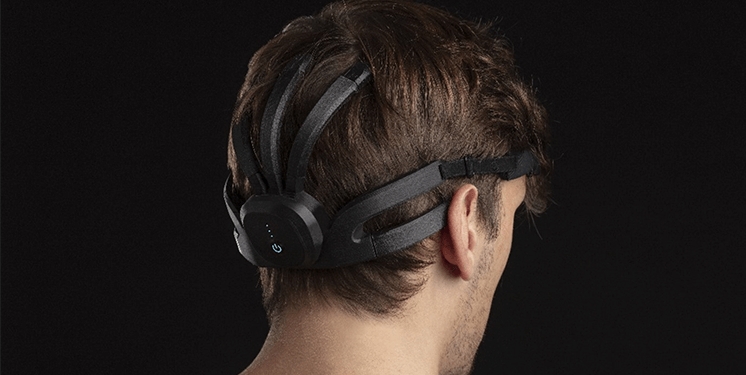
The research aimed to identify critical issues within Platea following a decline in customer satisfaction observed in recent surveys, with the objective of enhancing the overall experience. Advanced neuromarketing techniques were used to examine visitors’ cognitive and emotional responses in relation to the different floors of Platea (Foso, Patio, Canalla Bistrò, and Cockteleria). Through electroencephalography (EEG), electrocardiography (ECG), galvanic skin response (GSR), eye-tracking, and questionnaires, participants’ reactions were analyzed at different times of the day and under varying levels of crowd density. The sample consisted of 28 participants who observed and interacted with the different environments.
The results indicate that the Cockteleria areas (spaces dedicated to beverage consumption) and the Canalla Bistrò (Michelin-starred restaurant) elicited higher emotional engagement and interest, especially during evening hours (Figure 1) and periods of medium attendance. In contrast, the Foso (a space dedicated to international cuisine) and the entrance Patio (the main area) received lower evaluations in terms of both emotion and interest.
However, particularly for the Patio, self-reported questionnaire data revealed a very positive explicit perception, which was not fully aligned with implicit measurements (Figure 2). This discrepancy highlights a mismatch between implicit and explicit responses.
By also measuring visual attention through eye-tracking, it emerged that the points of greatest visual attraction (Figure 3) were related to the furnishings (chairs, tables). These elements were the first to be seen (Time to First Fixation) by the entire sample (EyeBall) and were viewed for longer periods (Time Viewed). By integrating eye-tracking data with neurophysiological data and additional interview insights, it was deduced that the negative interest in this area—the first space encountered by customers upon entry—is directly linked to these elements.
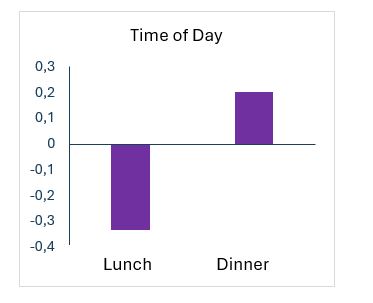
Figure 1. Higher interest in the evening hours
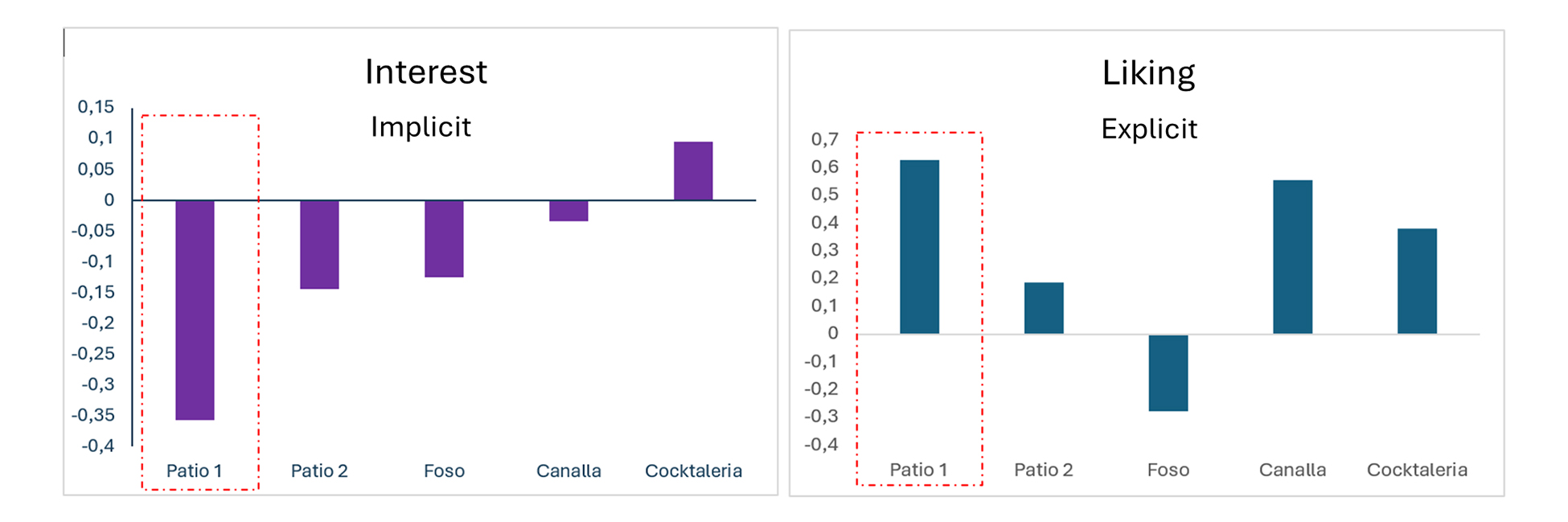
Figure 2. Comparison between implicit data (left) and explicit data (right)
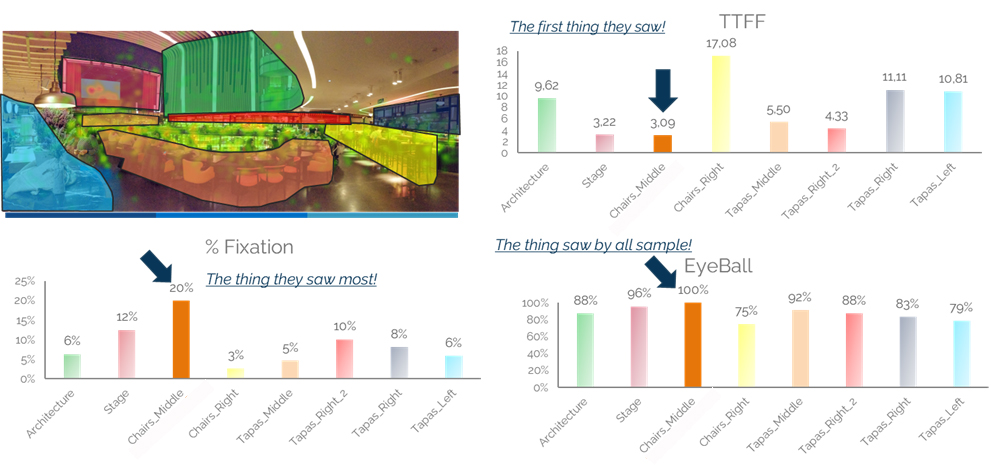
Figure 3. Eye-tracking results for the Patio
Based on the results obtained, the following recommendations were proposed:
- Reassessment of the entrance: Improve customers’ first impression to align initial expectations with the actual experience upon entering the venue.
- Redesign of furnishings: Optimize the spaces in visually unattractive areas to increase visual appeal and interest.
- Emphasis on the gastronomic aspect: Enhance communication regarding Platea’s history and culinary characteristics.
- Special events: Organize activities to increase attendance during early and mid-week days and stimulate greater turnout.
- Lighting and music: Improve lighting and music selection to enhance the gastronomic experience, particularly in underperforming areas.
This research highlights the importance of careful design and continuous attention to customer experience in maintaining Platea as a benchmark destination for gastronomy and entertainment. This approach enables Platea to further refine its offering and ensure a unique and engaging experience for every customer.